Prenatal Training Kit  Humanized Birth Preparation

Context: Product Design thesis  Pontificia Universidad Católica del Ecuador (PUCE)

Role: End-to-end design, research, synthesis, concept, CAD, prototyping, testing, cost & production analysis, web-app prototyping.

Team: Individual project 

Timeline: 10 months

What

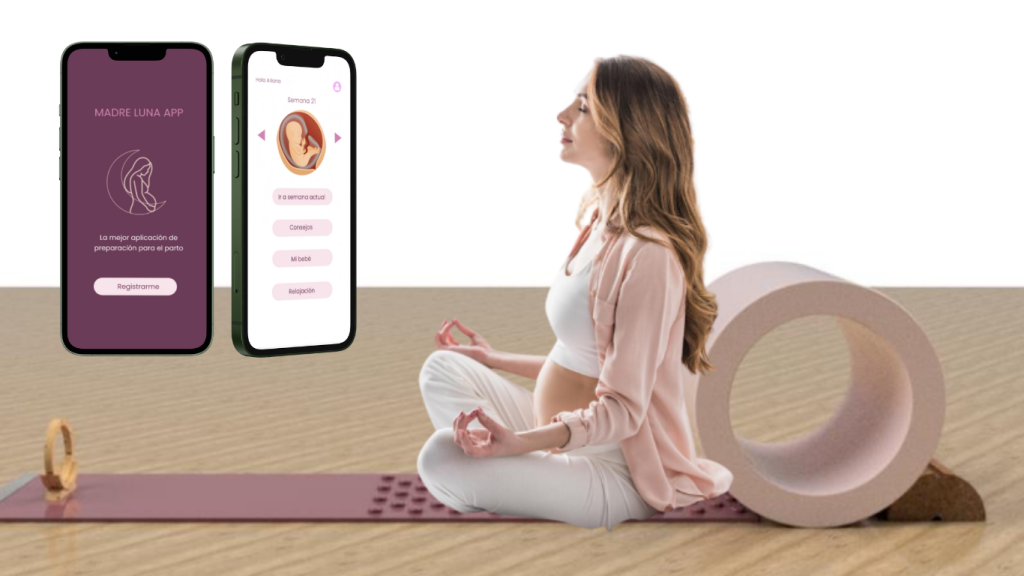
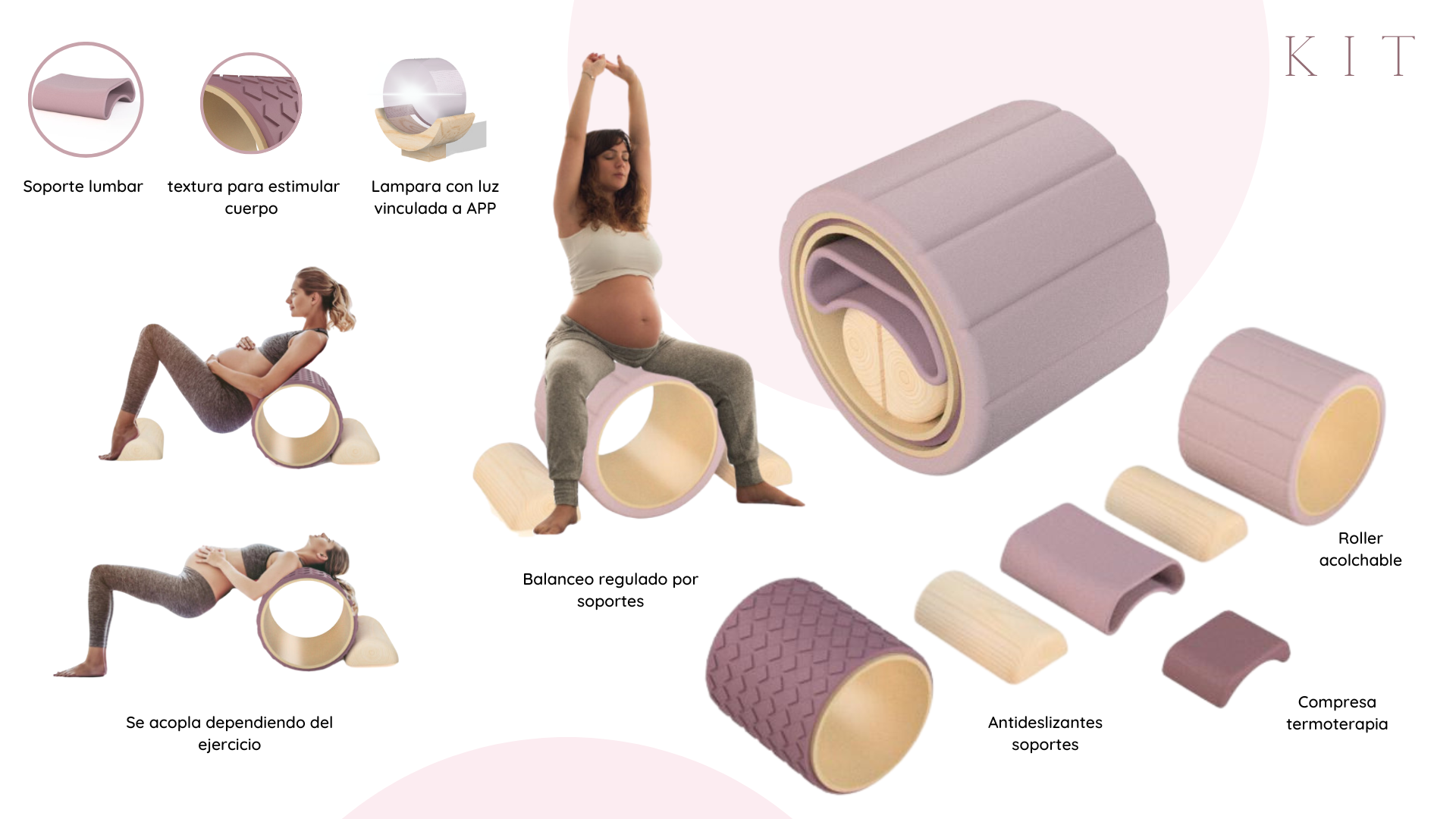
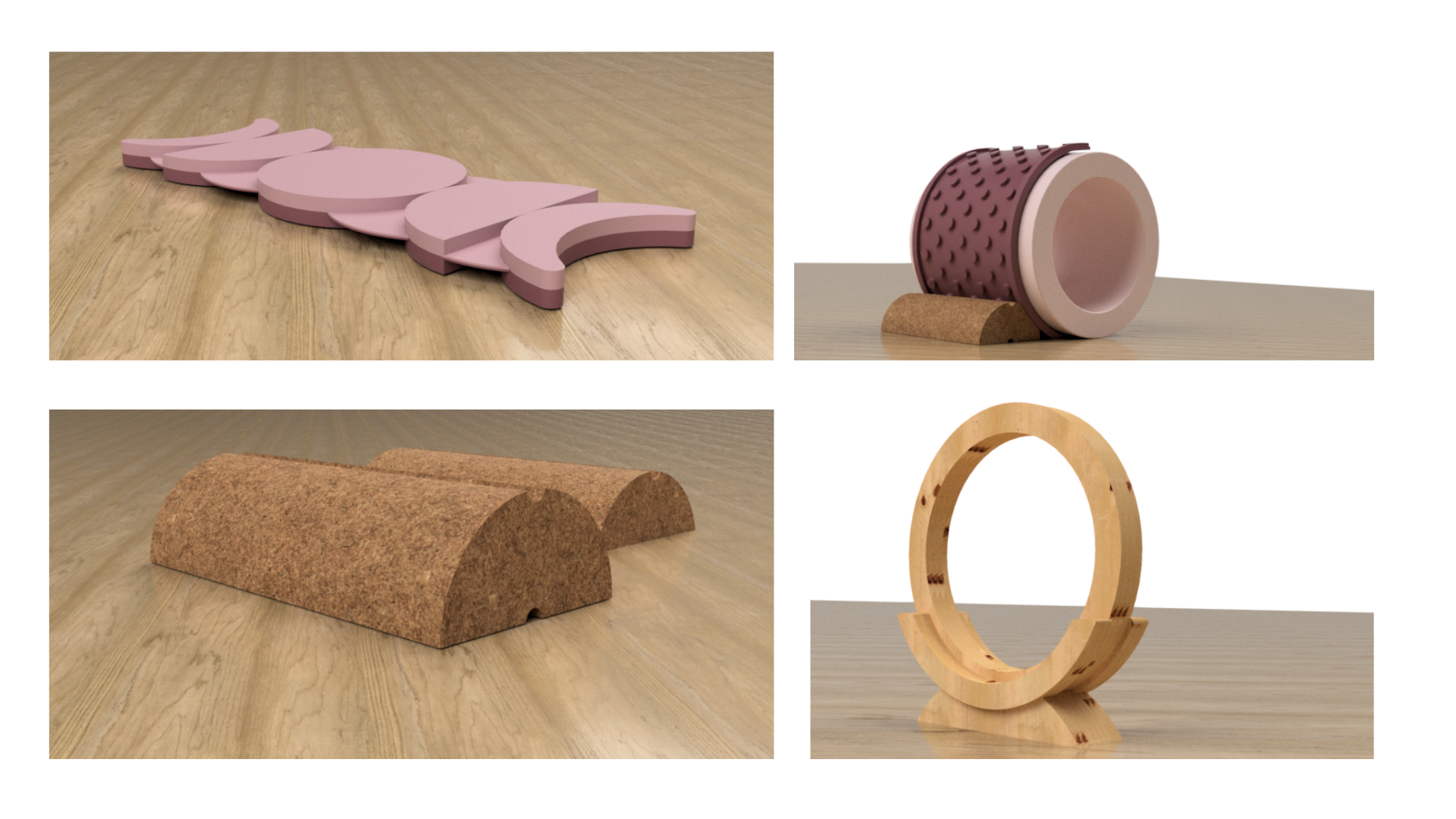
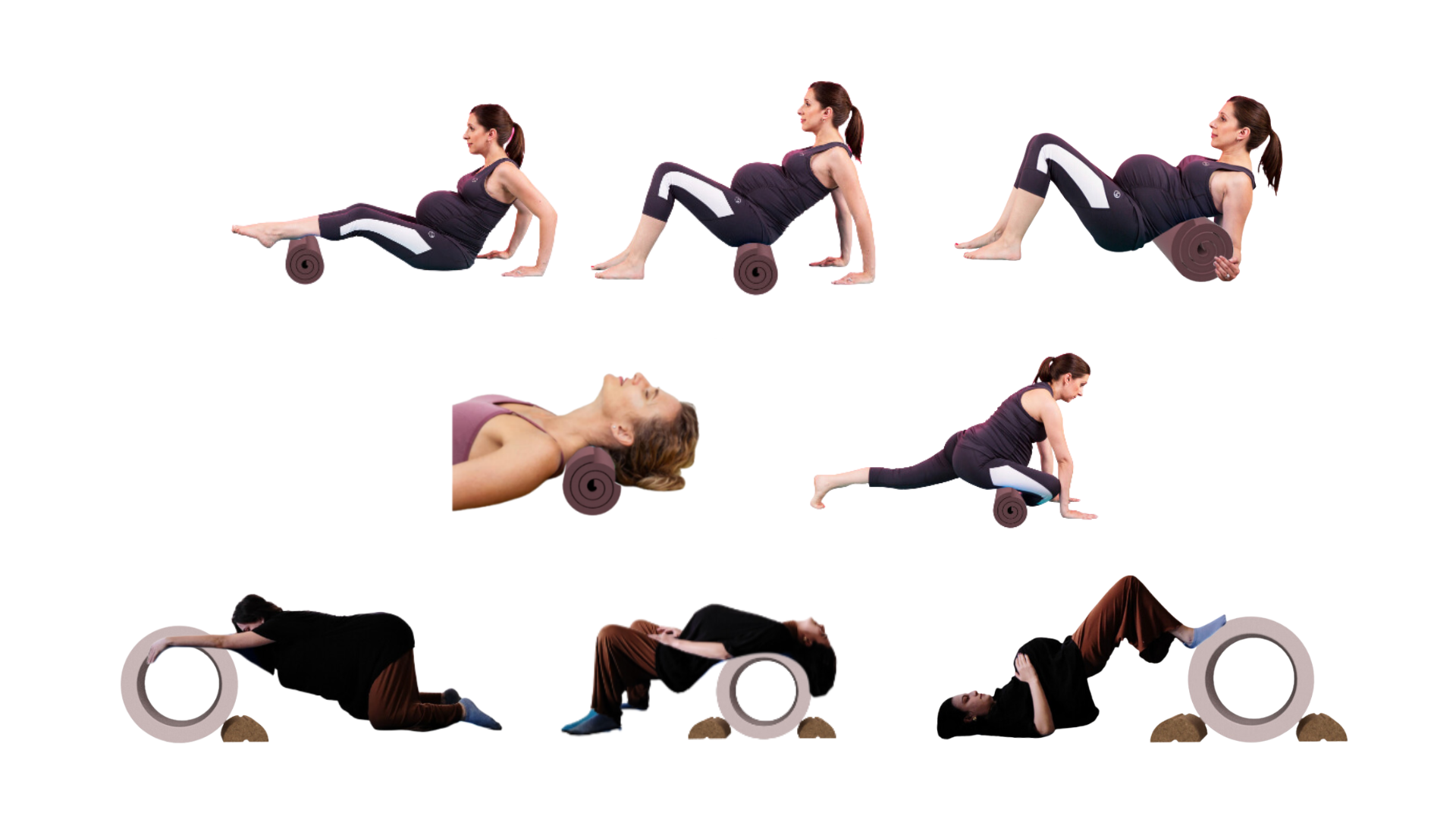
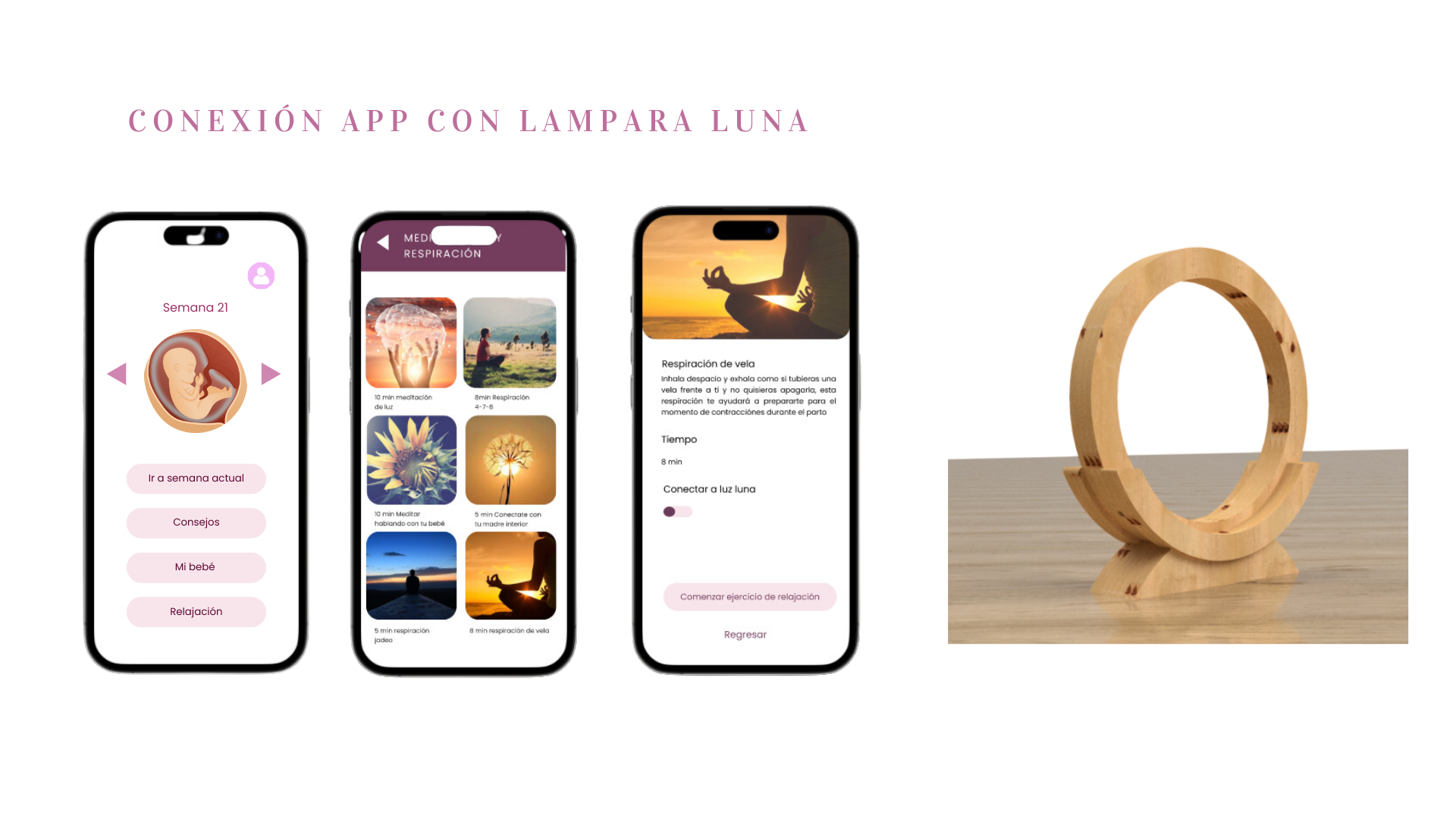
A prenatal exercise kit paired with an app companion that guides week-by-week practice at home. The kit includes ergonomic tools for mobility, strength, breathwork, and comfort, designed to adapt across trimesters and encourage safe, consistent training.

Why

Interviews and desk research revealed anxiety around birth, limited access to tailored guidance, and high C-section rates. The project aims to build confidence and autonomy through humanized-birth principles, turning expert recommendations into clear, doable routines that reduce fear and support well-being.

How

User-centered and iterative: research with expectant mothers and professionals, mapping needs and constraints; concept development and CAD; prototyping and usability tests to tune dimensions, grips, and load paths; refinement for durability, cost, and feasibility; and a lightweight app guide that sequences sessions, tracks progress, and delivers instructions in plain language.

Project summary

Prenatal care in Ecuador faces high C-section rates and a push toward humanized birth practices. This project investigates how purpose-designed tools and guidance can prepare expectant mothers physically and emotionally for labor. User-Centered Design with a Design Thinking toolkit: interviews, surveys, observation in healthcare settings, activity/movement analysis, and literature review

Outcome focus: security, comfort, and confidence as emotional design goals

Interviews & Surveys

With expectant mothers, doulas, and prenatal instructors in local clinics and community programs (in person and remote).

 Findings

  • Anxiety around labor; need for clear, trusted guidance.

  • Improvised tools are common; few purpose-designed options.

  • Weekly, staged routines are easier to follow than daily plans.

  • Safety cues (posture, breath, limits) must be explicit.

  • At-home practice works if setup is simple and low-cost.

Activity Analysis

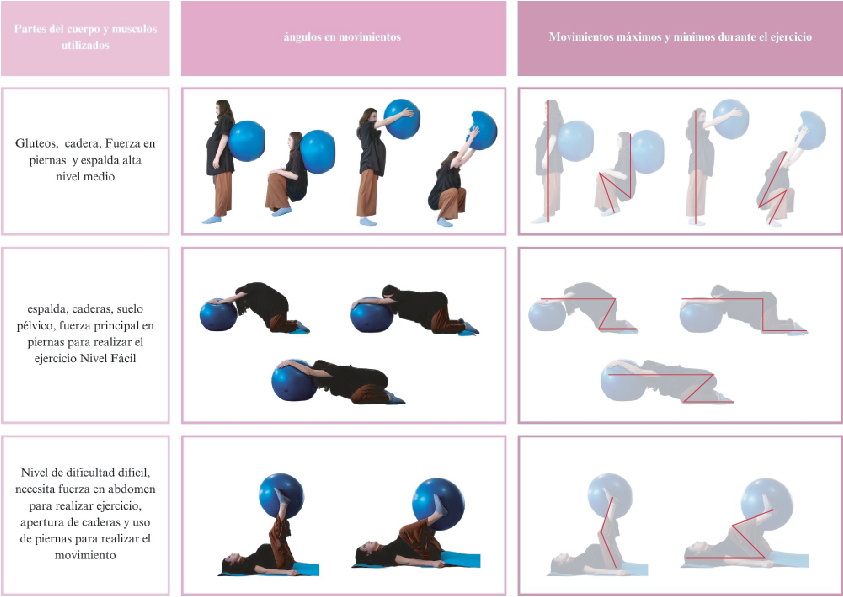
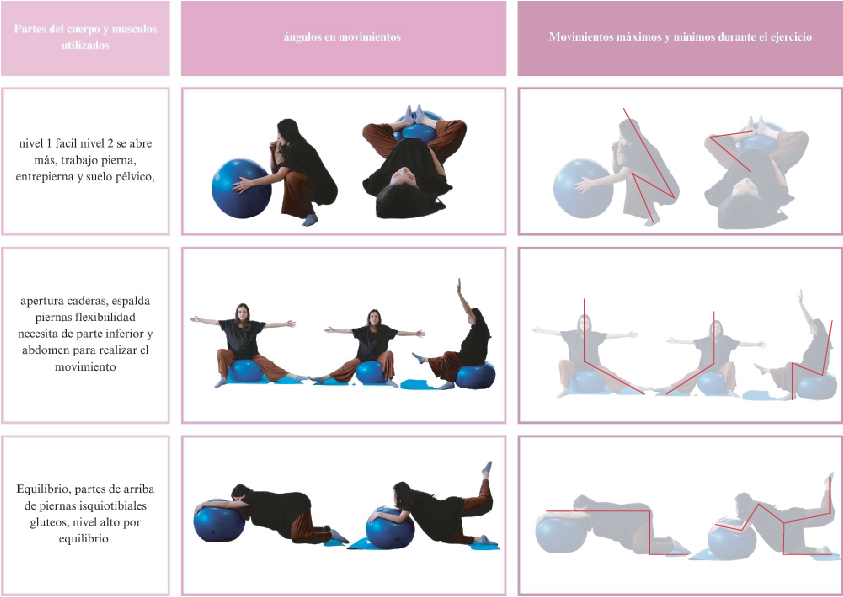
Observed pregnant women performing recommended exercises and doula-led sessions; documented posture, range of motion, pain points, and safety cues.

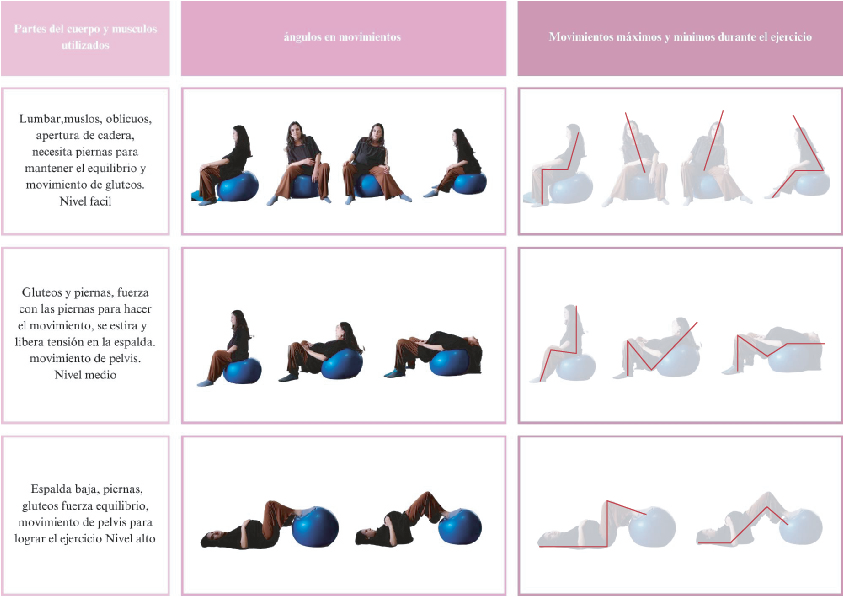
Field observations with doulas and expectant mothers informed this analysis. Each exercise was mapped by difficulty, required joint angles, support needs, and “confidence risk” points (moments of hesitation or instability).

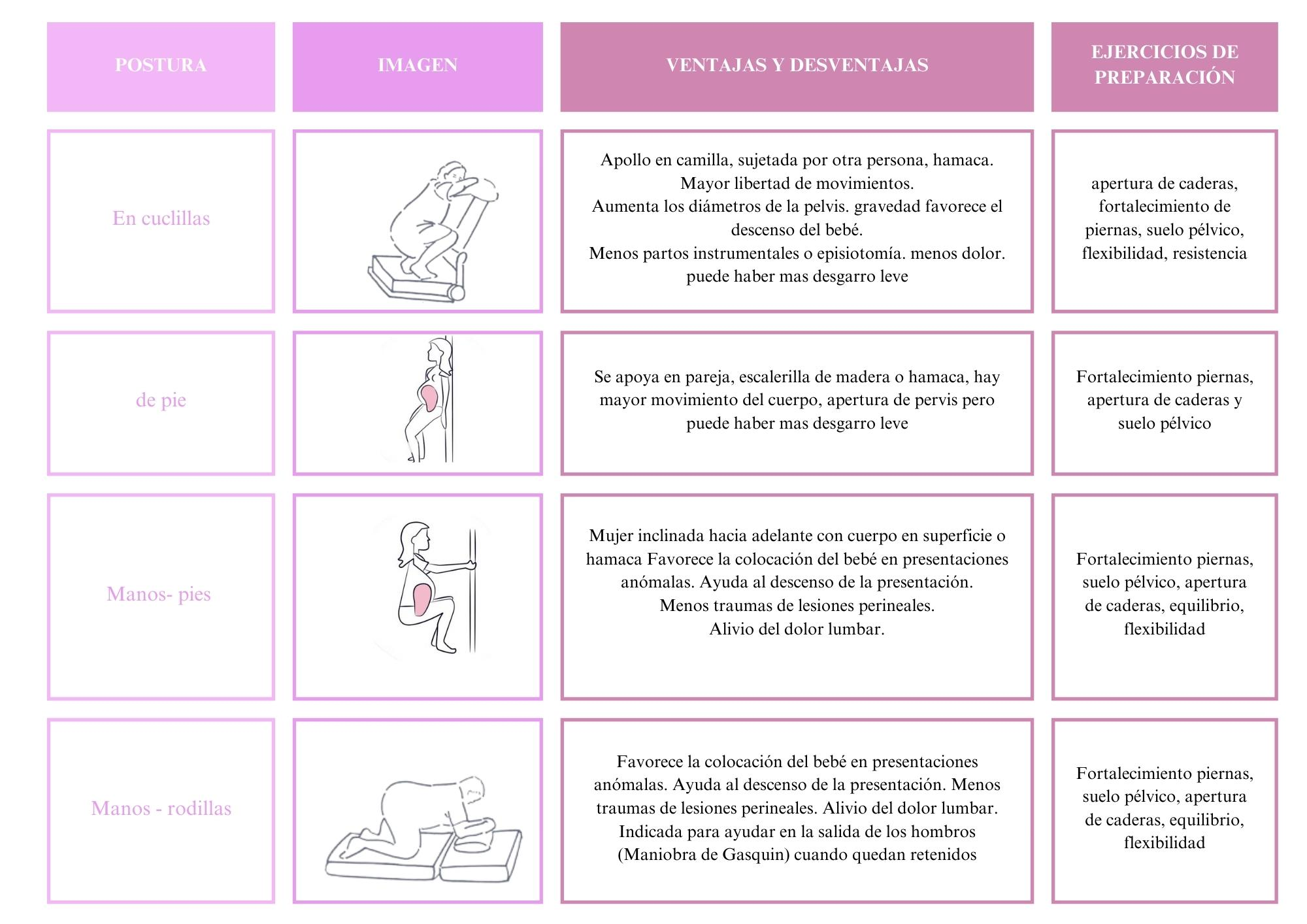
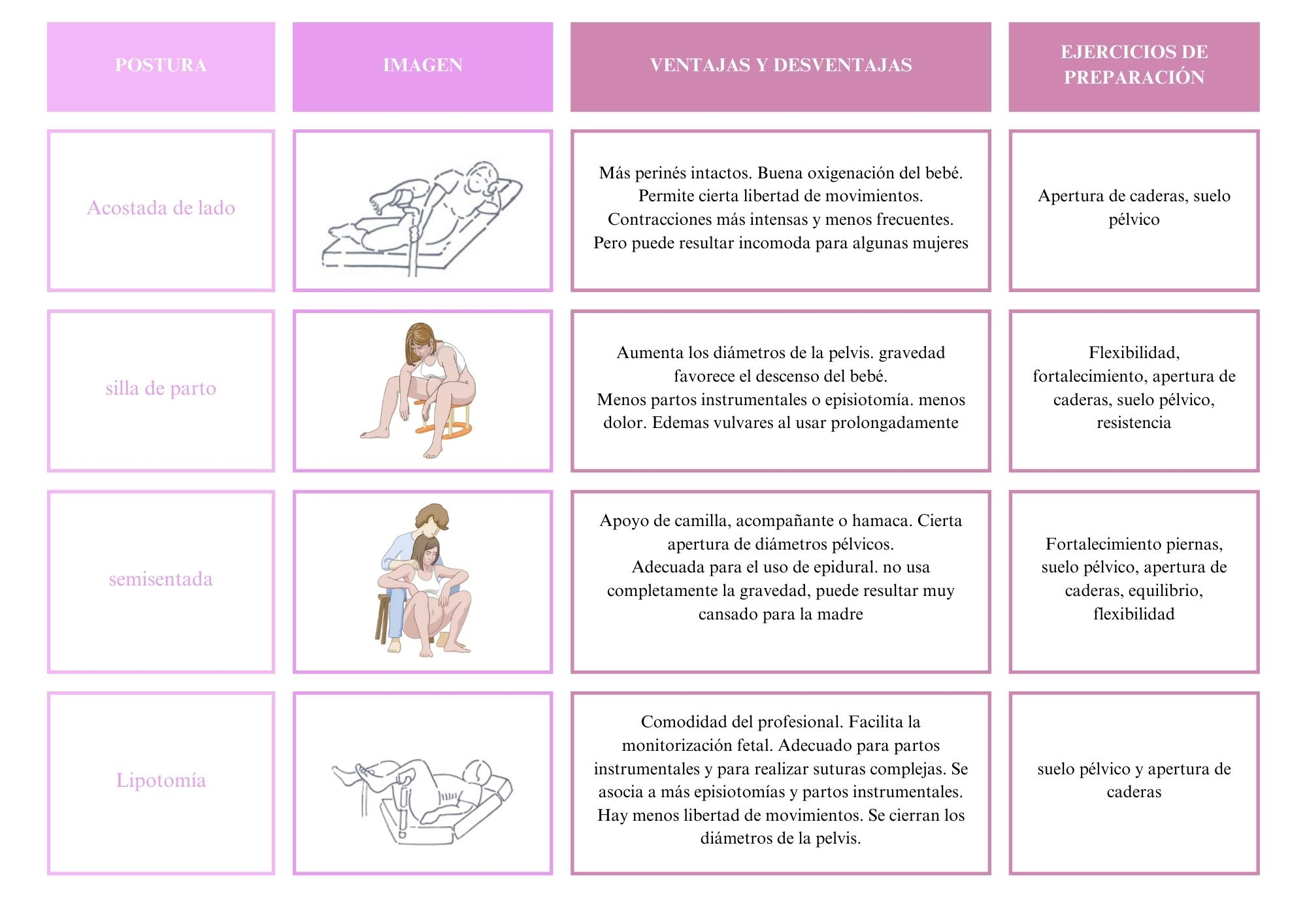
Analysis of labor positions aligned with humanized birth upright, lateral, kneeling, squatting, and supported evaluating comfort, mobility, and safety cues across trimesters and stages.

 Findings

  • Hip-opening and pelvic mobility need stable, non-slip support.

  • Adjustable difficulty across trimesters (size, height, firmness).

  • Smooth transitions between positions reduce strain and fear.

  • Clear feedback (breath, tempo, alignment) improves confidence.

  • Portability and easy cleaning matter in shared/community use.

Reference Analysis

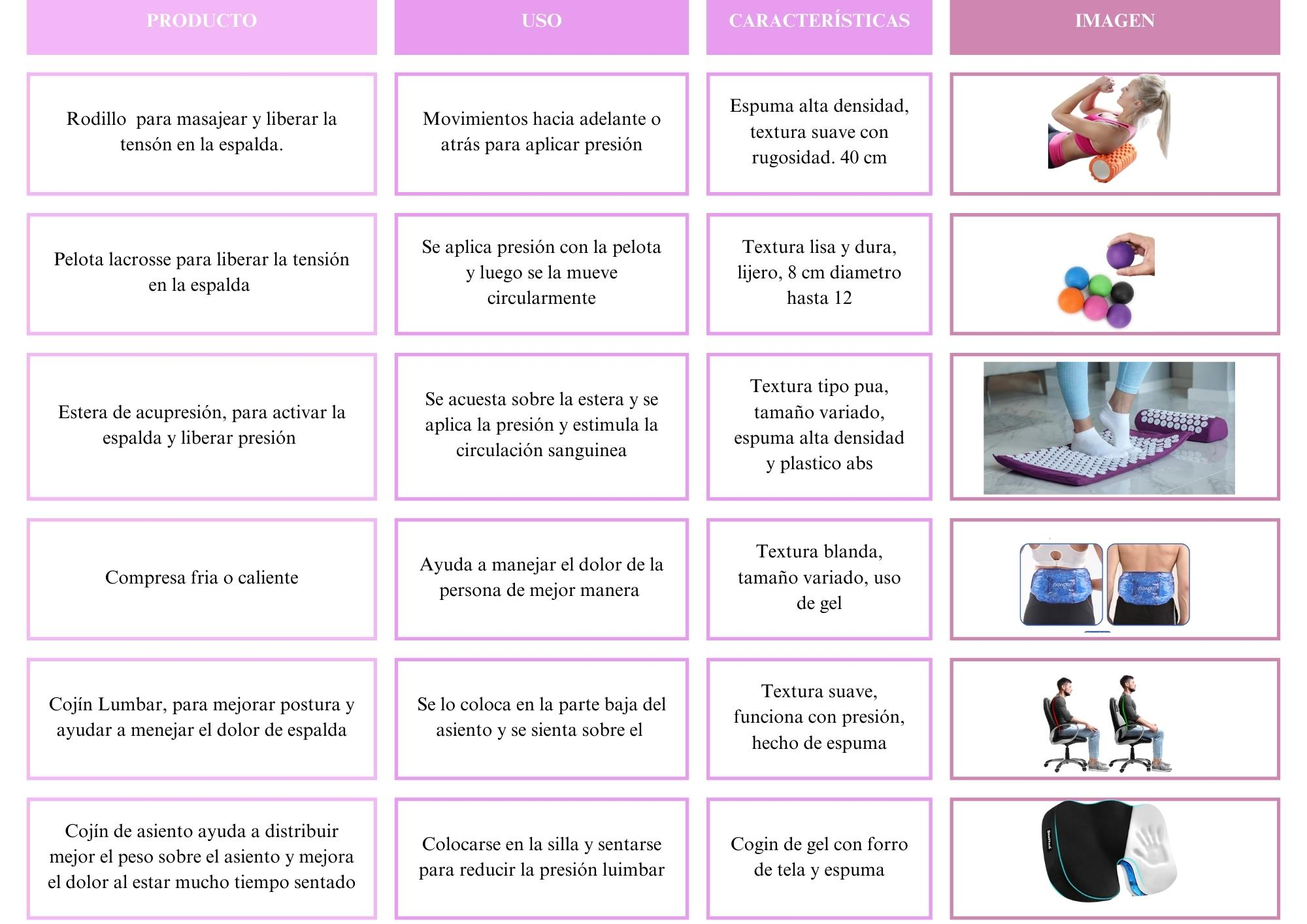
Compared pregnancy-oriented and adjacent tools (e.g., fitness ball, sling/hammock, cushions, bands, rollers) on ergonomics, adjustability, materials, hygiene, cost, and availability.

This chart summarizes the reference products analyzed (e.g., fitness ball, sling, bands, cushions, rollers), comparing ergonomics, adjustability, hygiene, cost, and availability.

 Findings

  • Fitness ball = versatile but stability/space issues without anti-slip.

  • Sling/hammock = secure, gentle range; requires safe installation.

  • Bands/rollers = targeted relief; limited whole-body support.

  • Soft goods = comfortable; hygiene and durability need attention.

  • Viable price point is mid-range with locally sourced parts.

Ideation

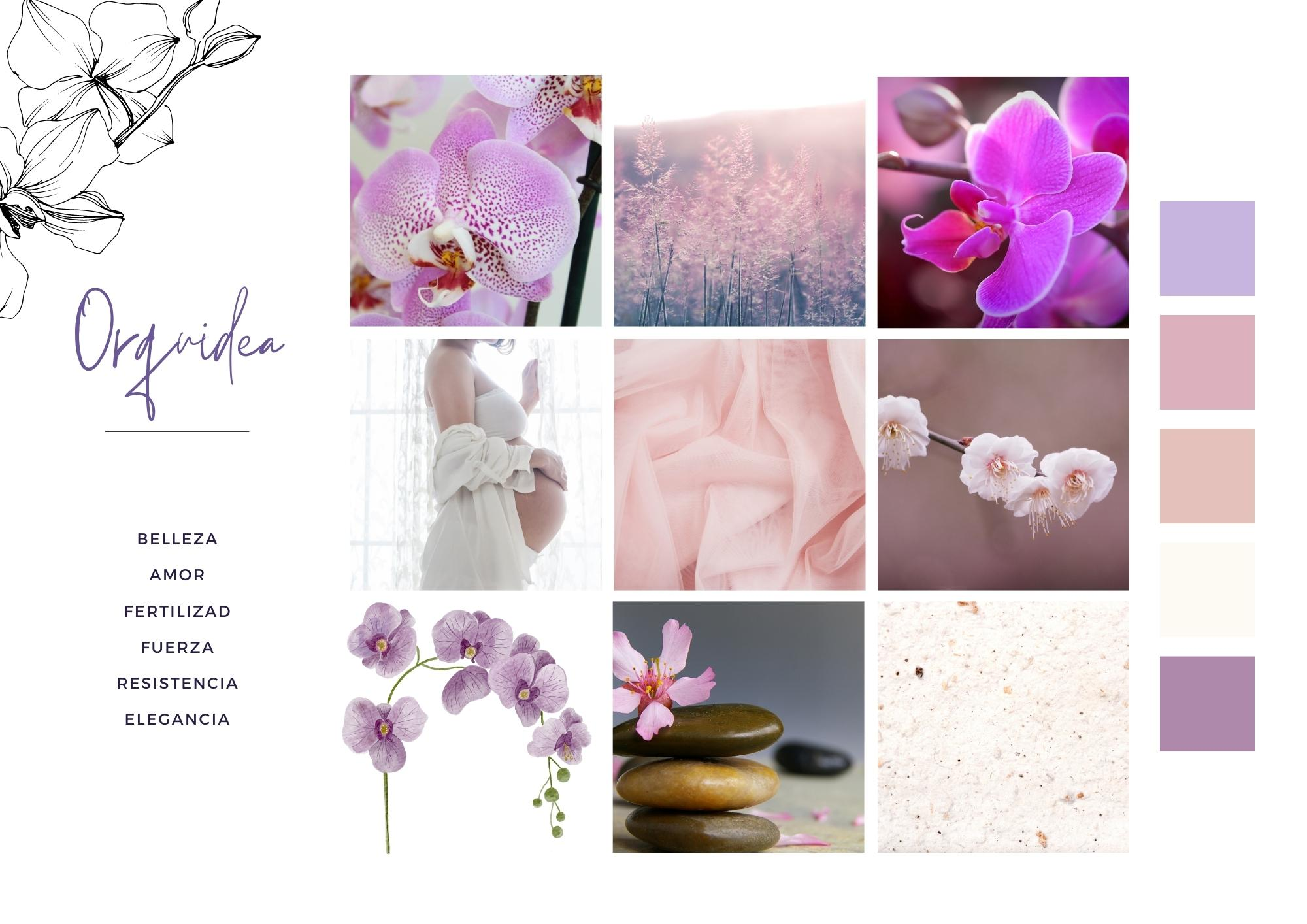
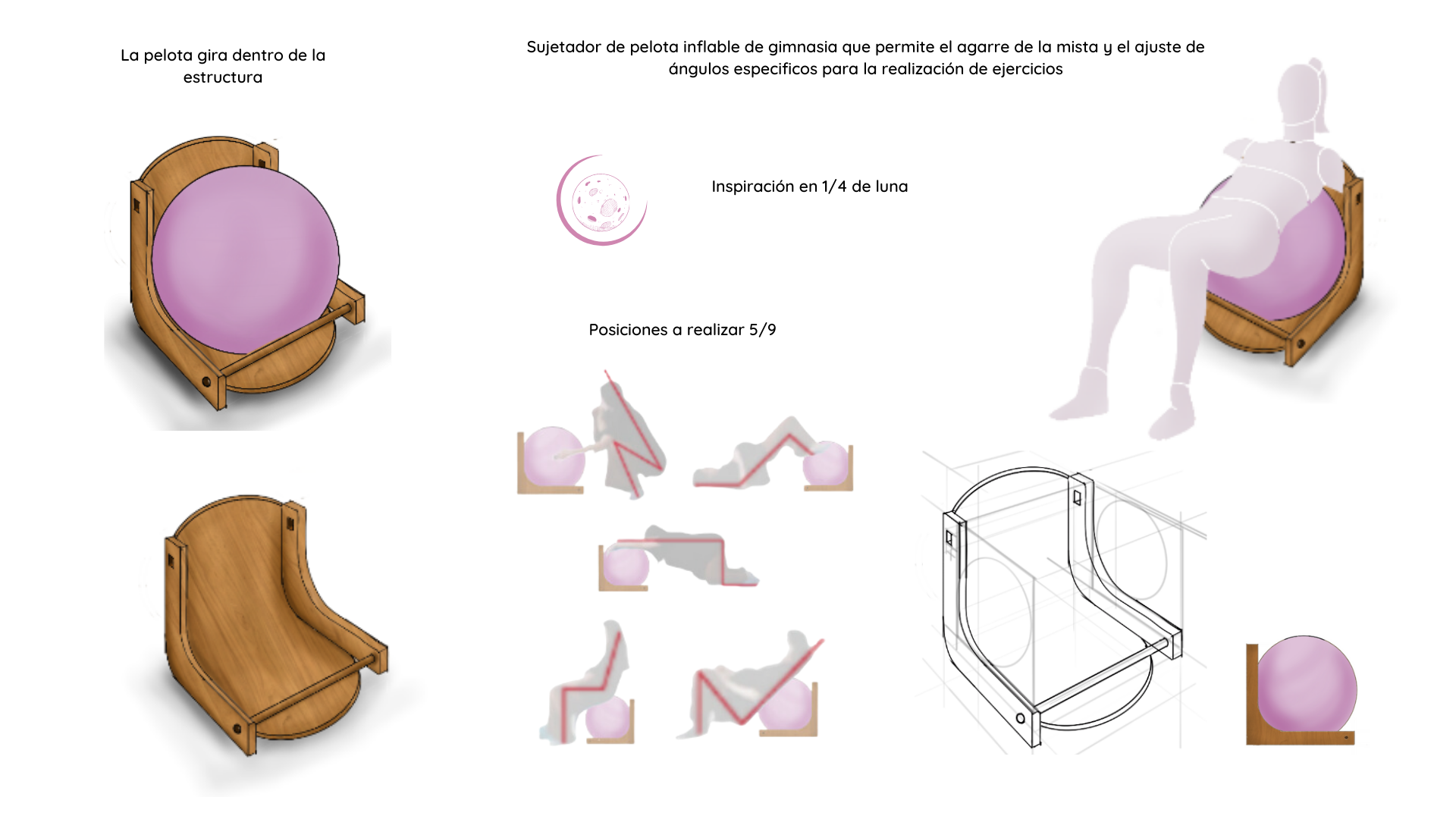
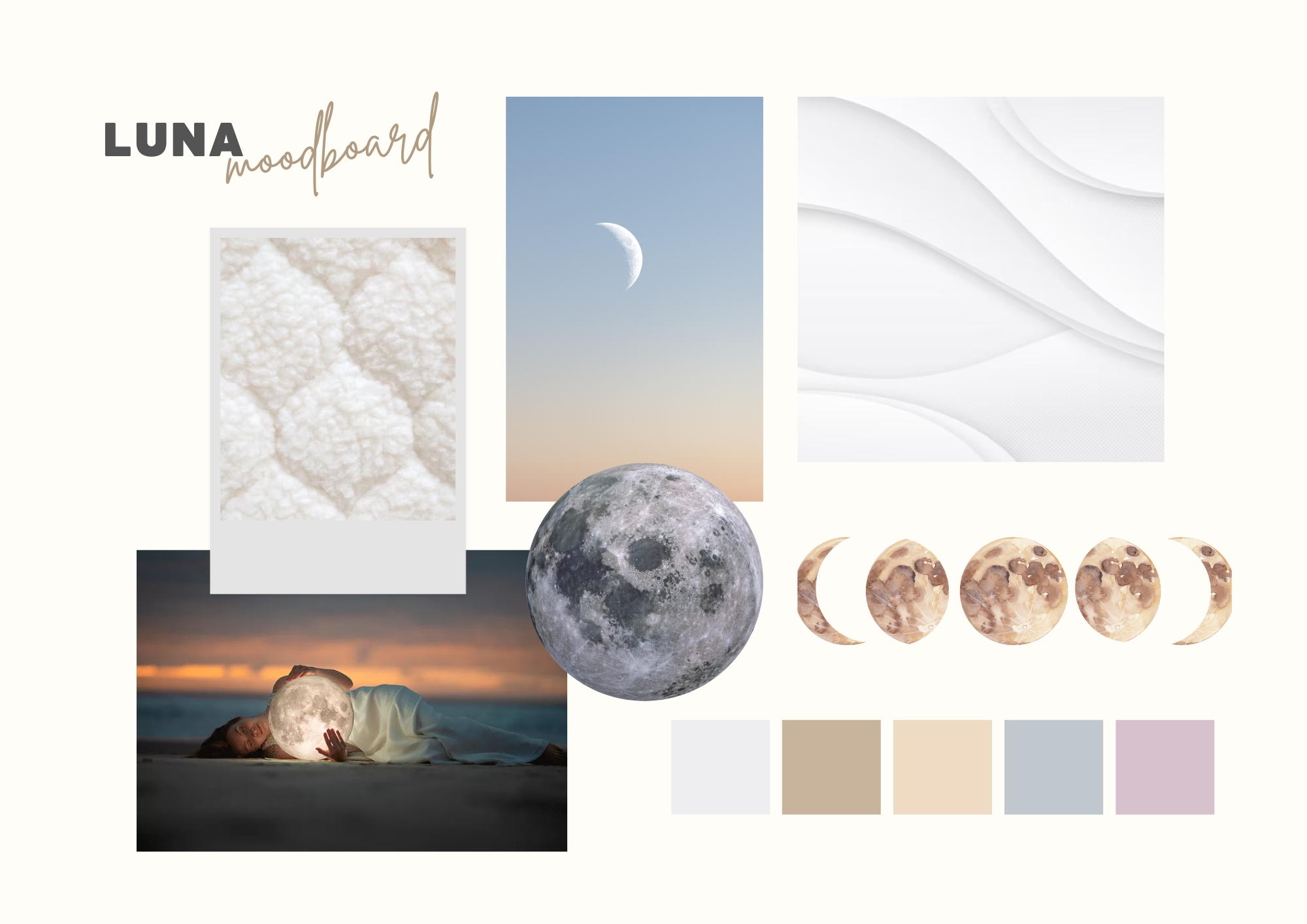
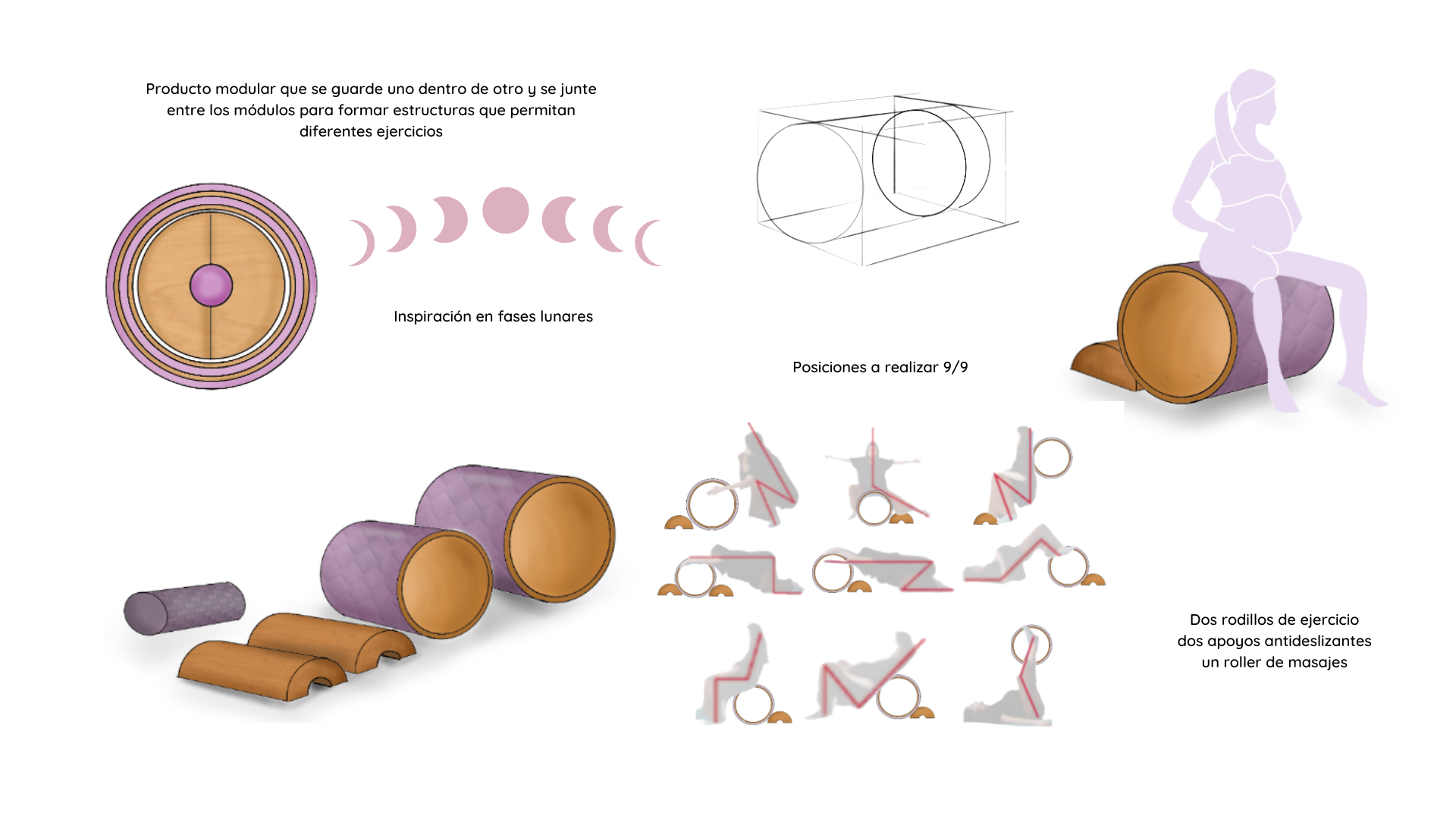
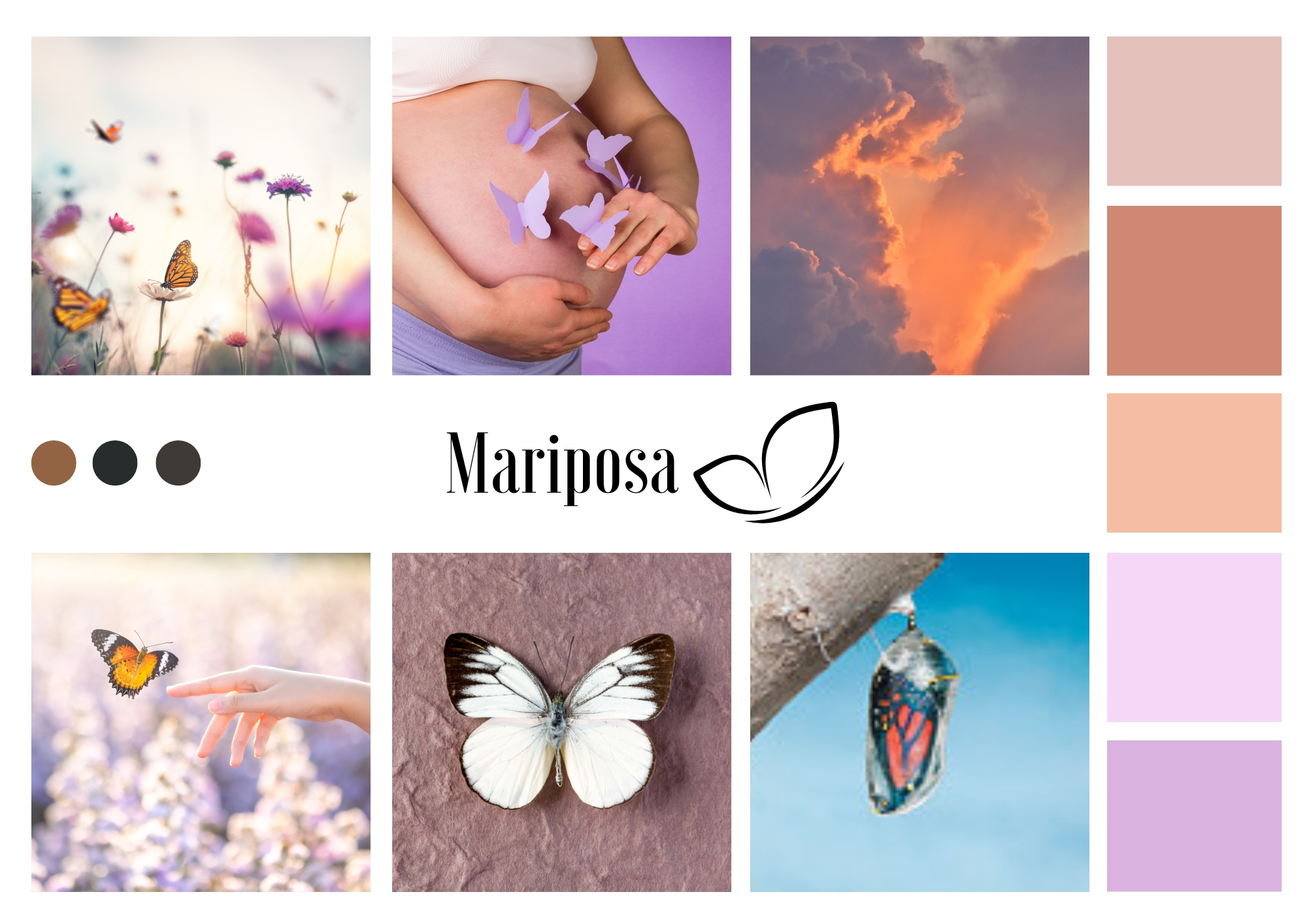
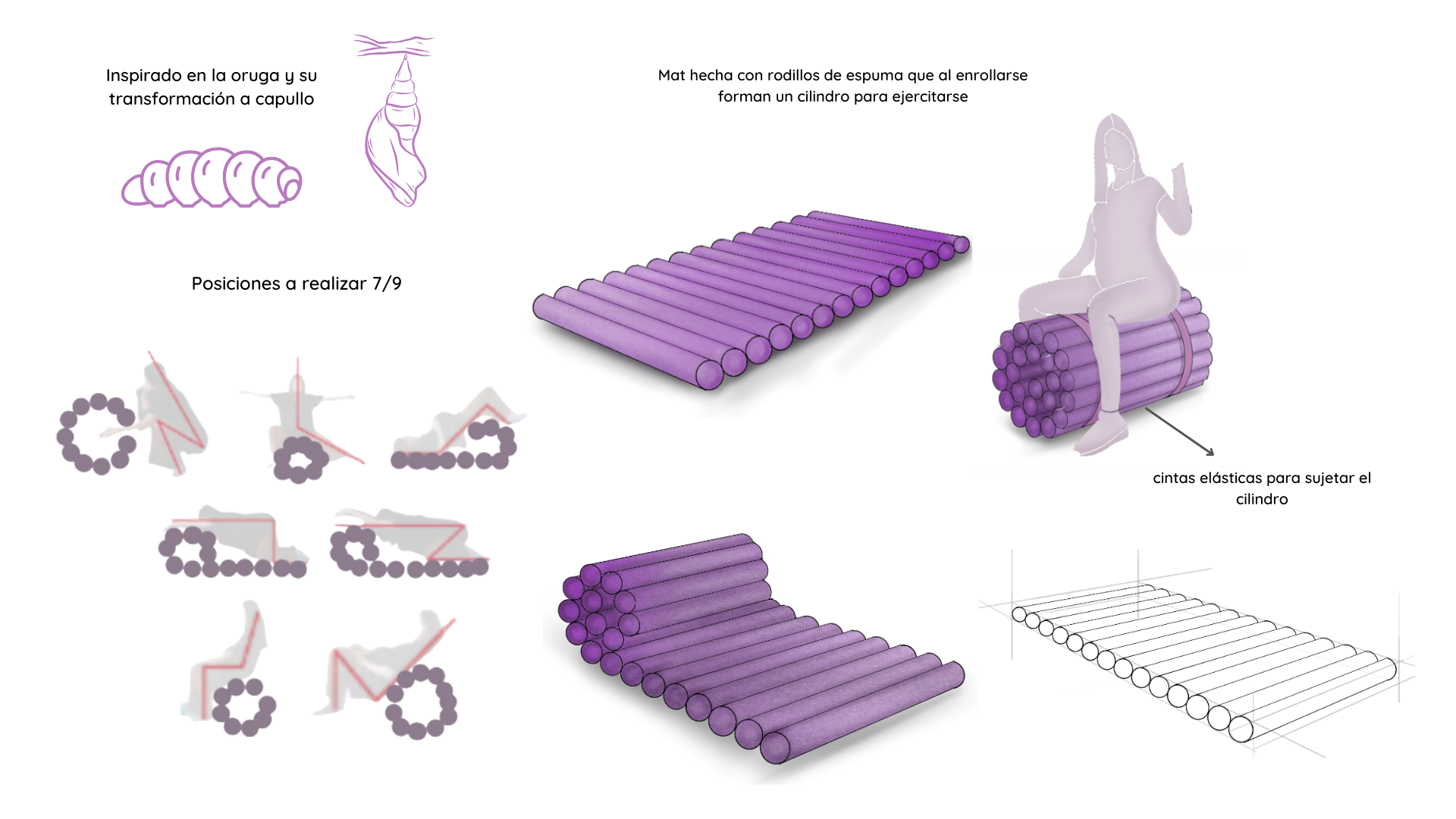
Exploratory phase focused on translating nature-inspired cues into a prenatal training kit language. Goals: define an ergonomic geometry that supports hip opening and breathwork, ensure safe/stable contact points, enable weekly progression, and keep materials and fabrication feasible for small-batch production.

moodboards + sketches
Option 1


Option 2

Option 3

Option Chosen for its clear stability cues, calm visual language, and clean manufacturability (simple, repeatable curves). The arc geometry supports safe hip opening, easy progression by height/angle, and integrates well with non-slip surfaces and soft goods. It balances comfort, storage efficiency, and cost better than the alternatives

Prototyping

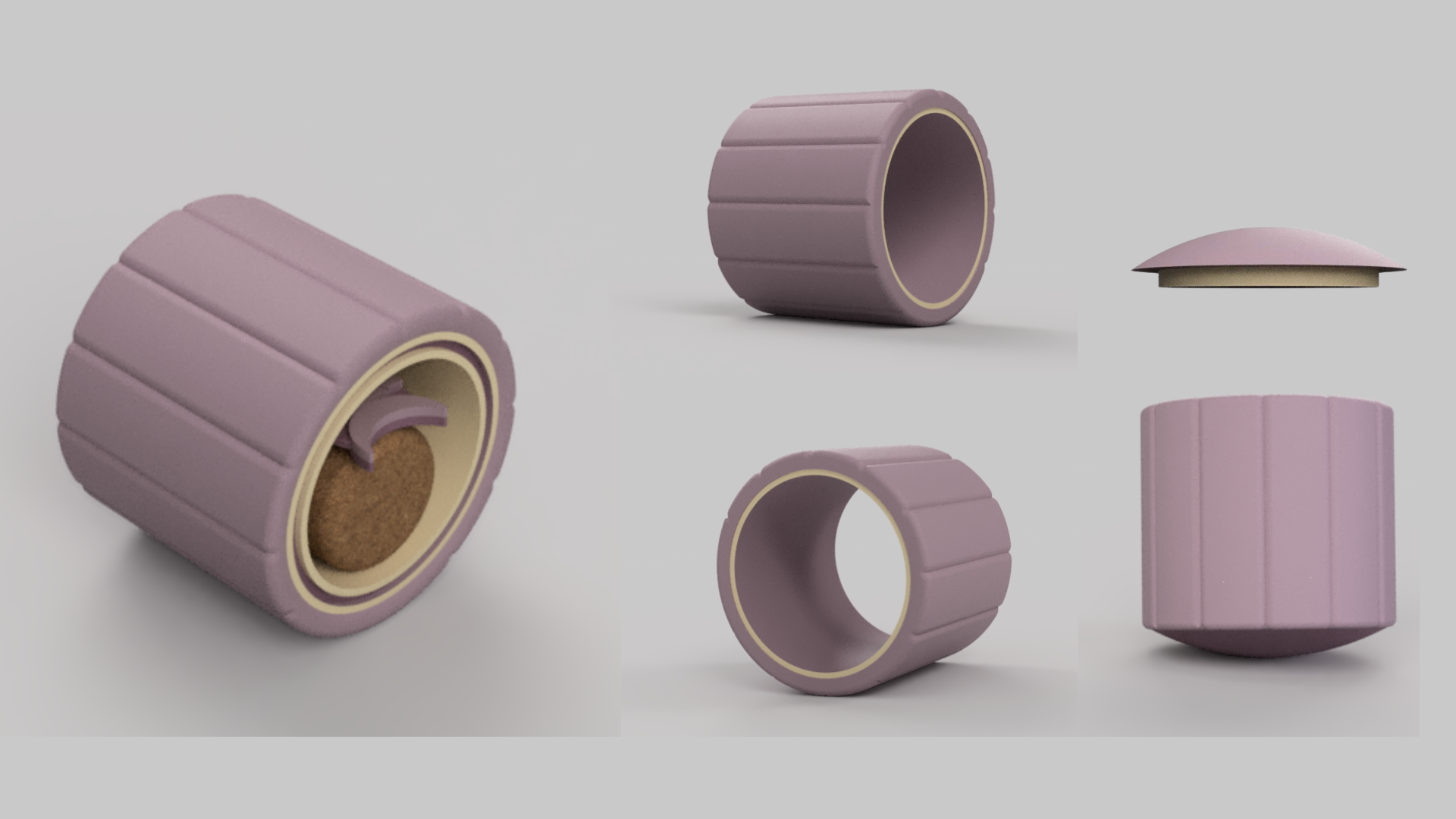
Early renders were validated through expert review (doula) and a user session, plus an emotional-perception survey (PREMO). Based on that feedback, we refined materials, ergonomics, and use modes before moving into technical drawings and an alpha build.

Key changes after first validation

  • Switched the support blocks to an anti-slip material for safer contact and stability.

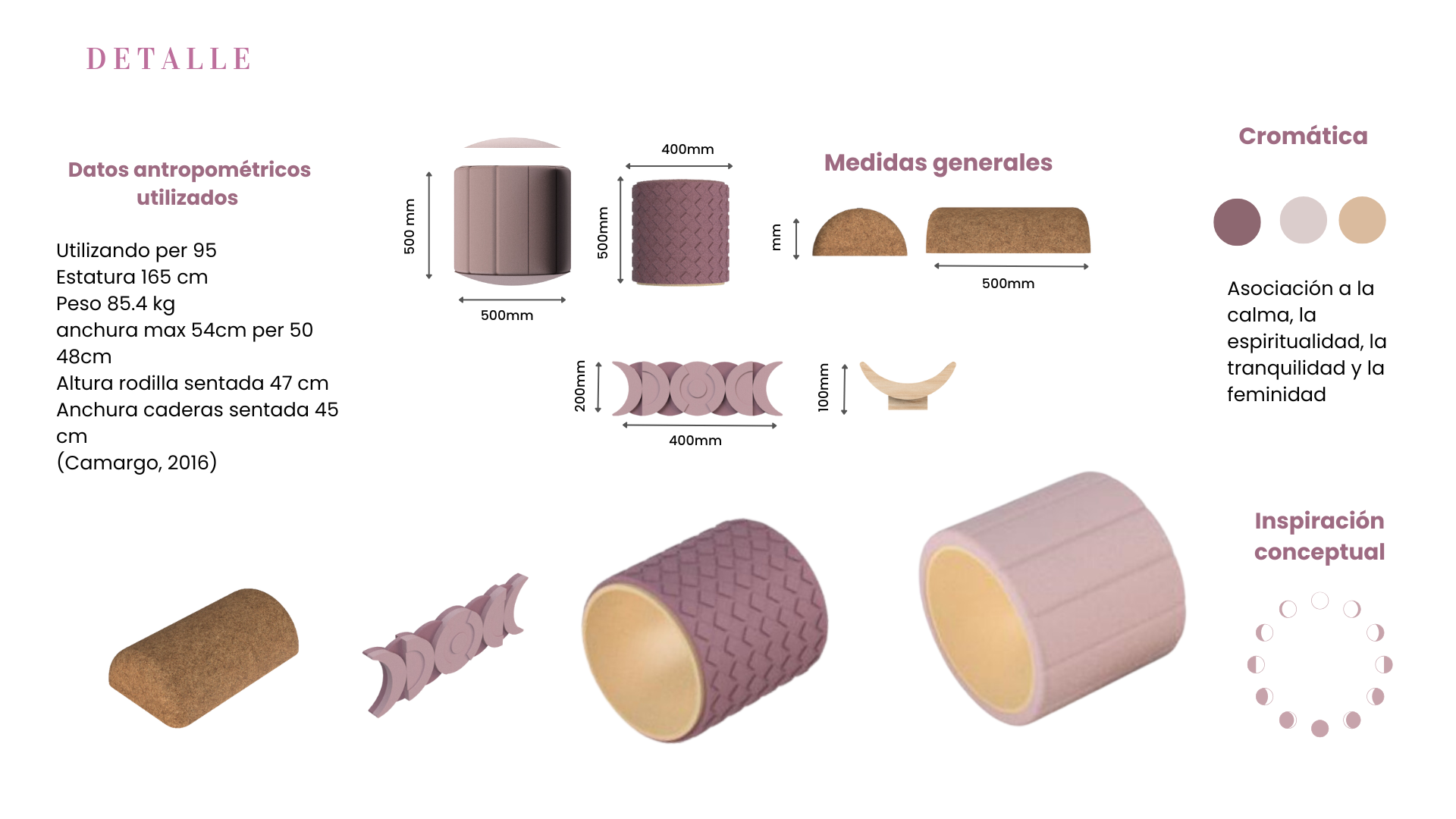
  • Redesigned the lumbar compress to match the project’s design language and added a grab for easier repositioning.

  • Explored vertical use; testing showed the roller height was too tall and could hinder leg circulation, while circular motion goals were achievable without the vertical setup.

Low-fidelity Renders builds & tests

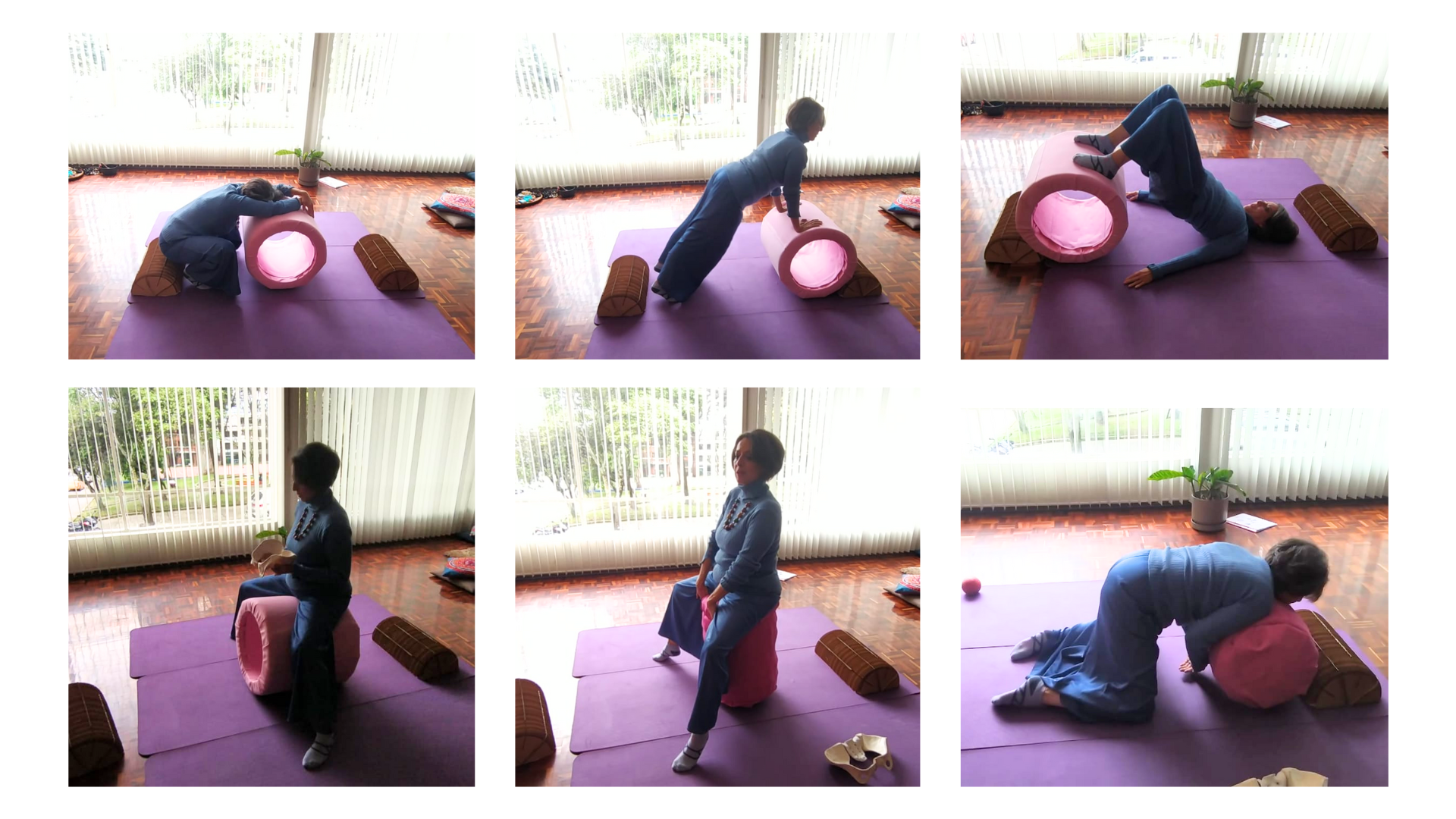
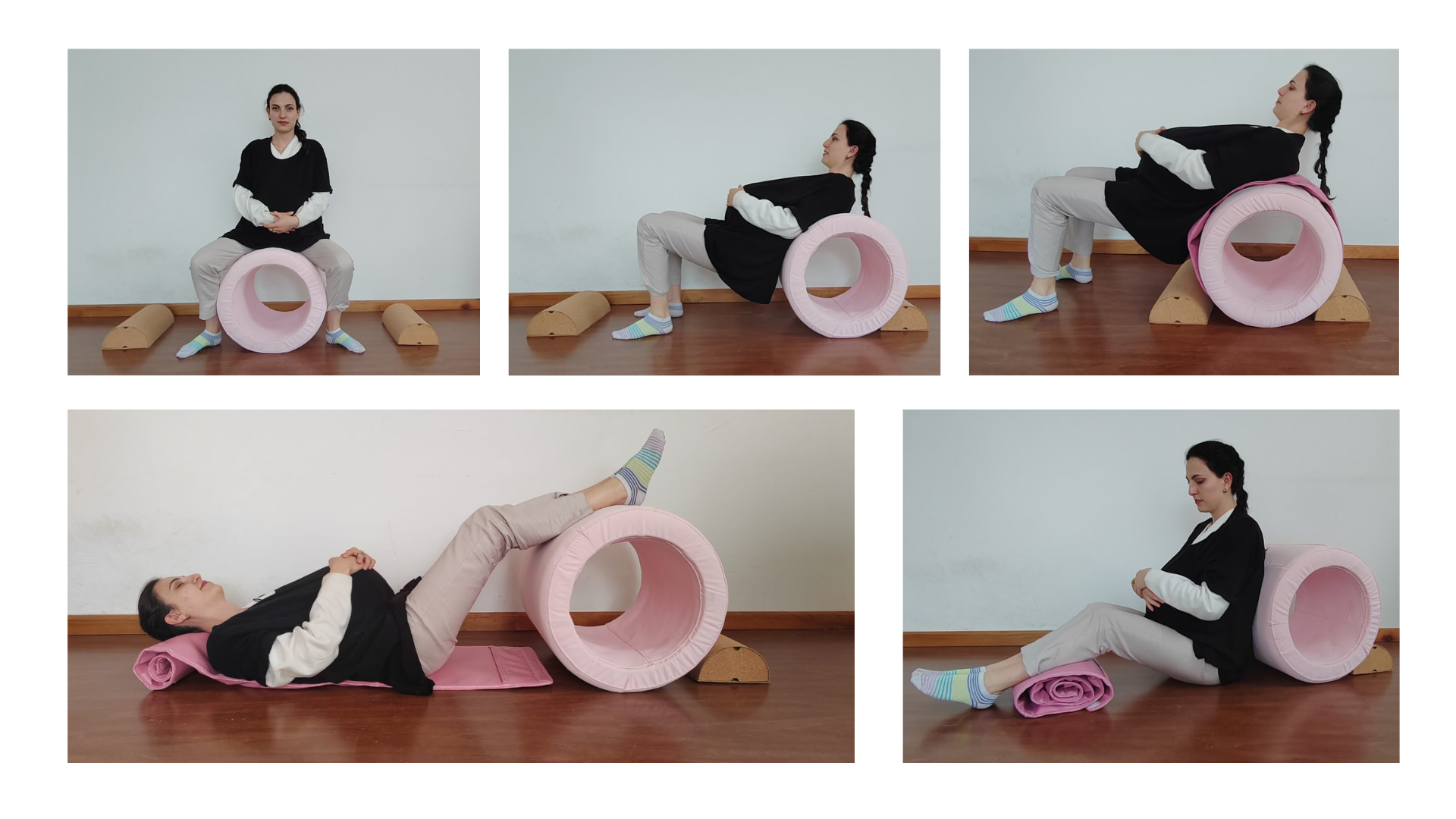
Started with quick cardboard mock-ups to verify exercises, then built an alpha prototype using PVC and foam to test with a doula and a simulated pregnant user.  texture, weight, and handling issues for redesign.

Testing Findings

  • Weight reduction: The PVC double-wall made the product too heavy; I reduced thickness/diameter and reworked components to lighten the system.

  • Vertical mode removed: I eliminated the vertical hemispheres to favor safer grip and non-vertical circular movements.

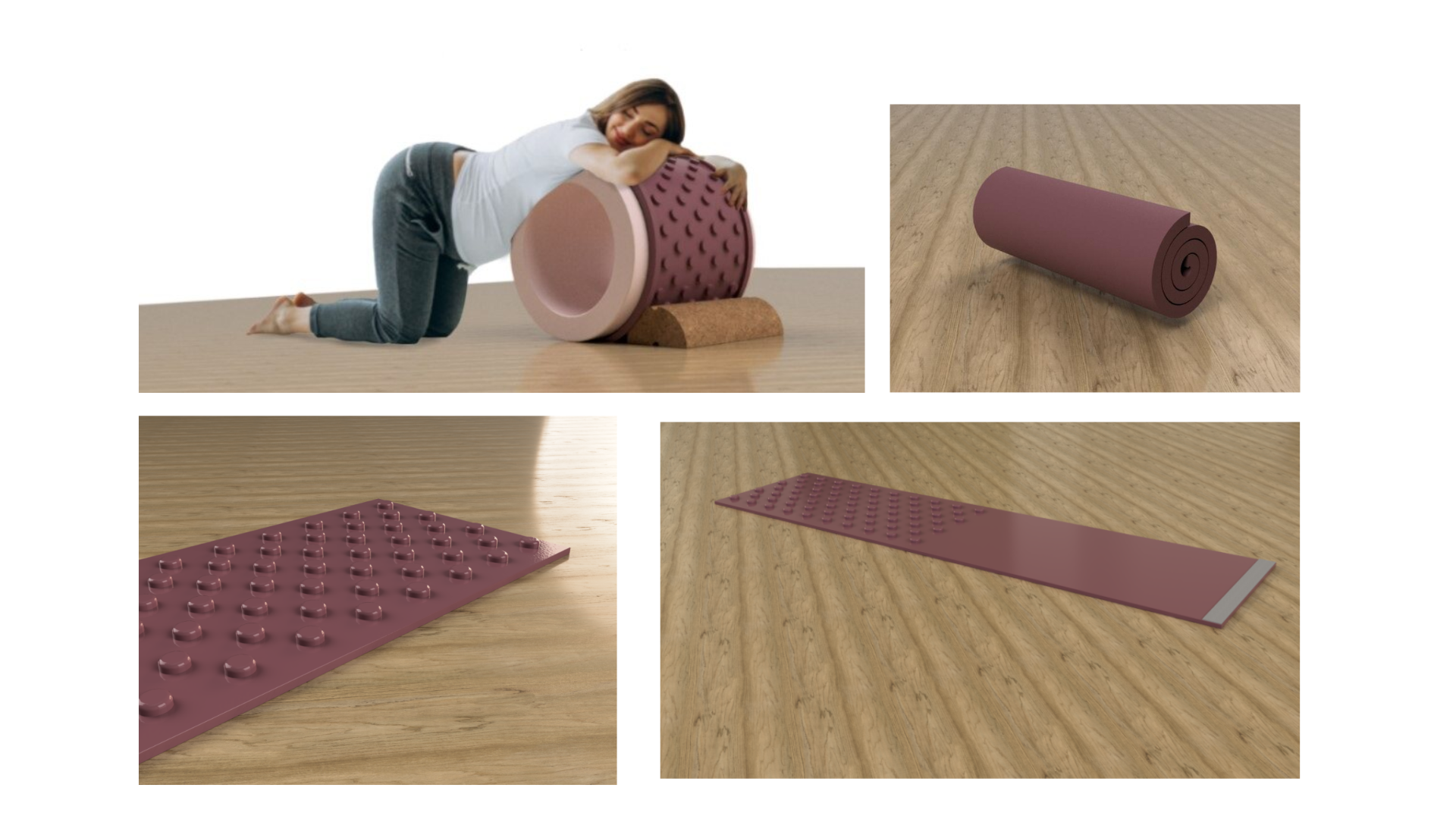
  • Massage element redesigned: Instead of a second inner roller with raised points, I converted it into an attachable mat. softer texture, packs inside the main roller, and more versatile pairing.

  • Lumbar compress update: I increased the length and added a handle to cover the hip area and improve comfort in position changes.

  • Surface comfort: The massage texture was too hard; I softened materials and geometry in the redesign.

  • Emotional validation (survey): Results showed dominant positive affect (e.g., enthusiasm 65%, satisfaction 50%); most users perceived safety (90%) and comfort (95%) and believed the system could increase motivation (100%).

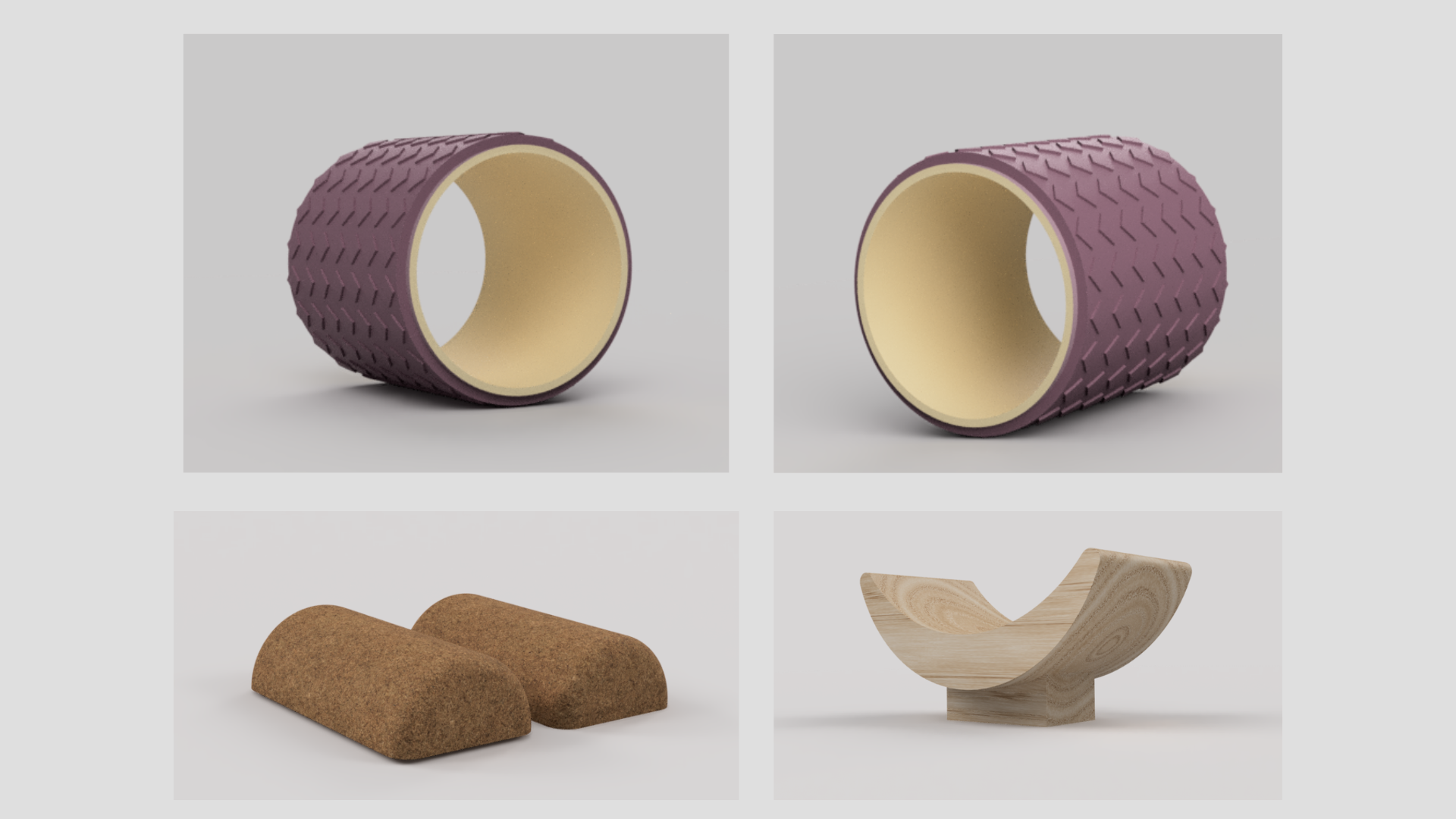
Final Renders & Prototype

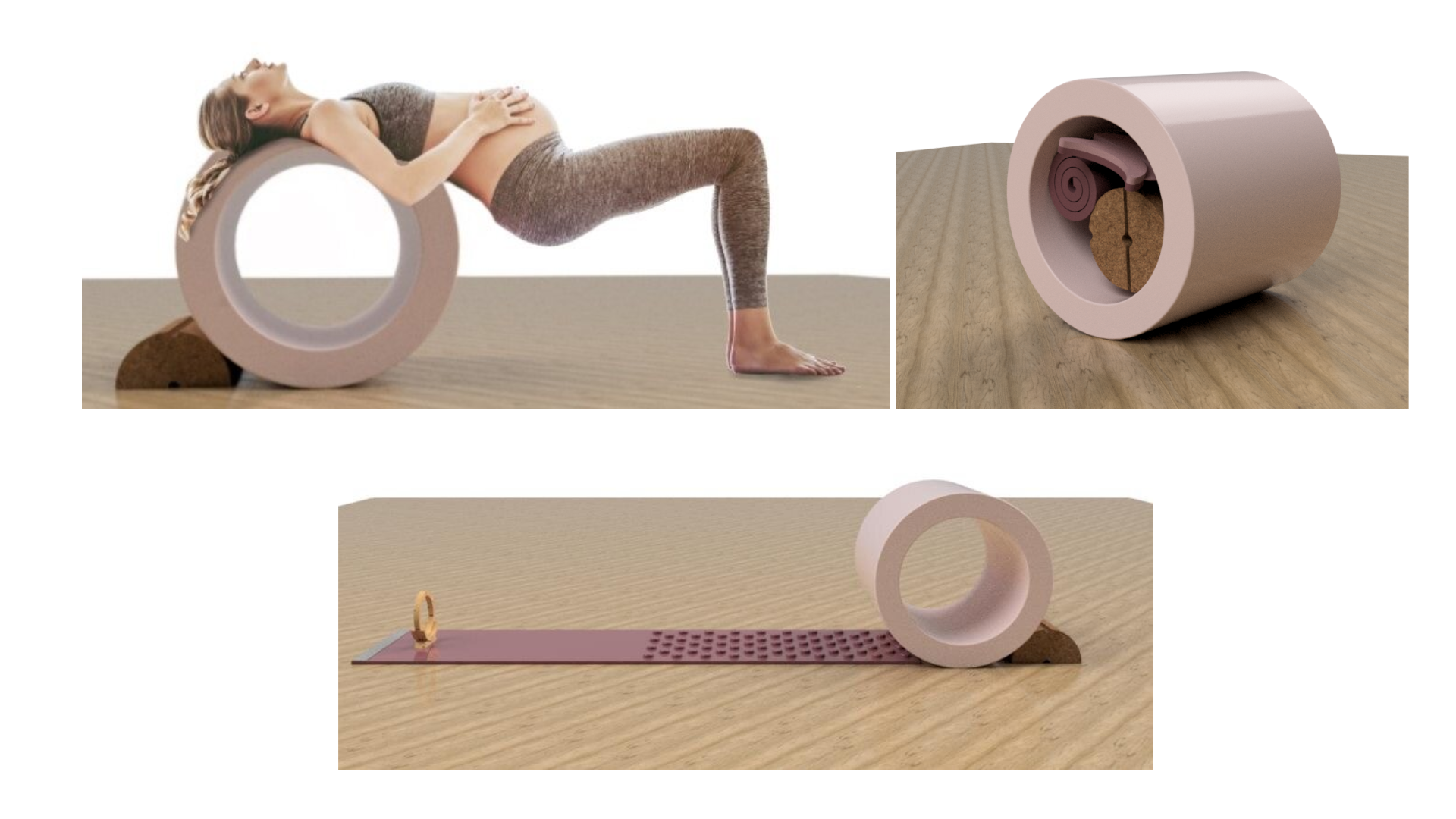
All updates from validation were applied; the gallery below shows the final outcome.

Get in Touch   nicolechy1808@gmail.com