
Sustainable Fashion
UX Research for Sarushka
Timeline:
12 weeks
Role:
UX Researcher
Team:
Nicole Chacón, Isabel Torres, Emilio Orozco
Type:
Pre-professional internship project in collaboration with Sarushka
Tools:
Miro, Google Forms, Zoom, Canva (Detailed research tools are described later in the case study)
The Challenge
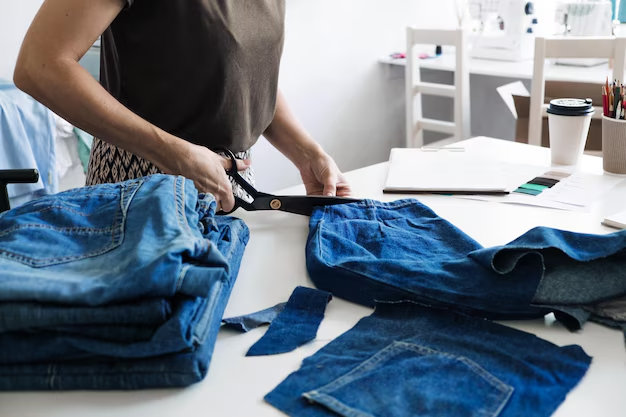
Sarushka is a sustainable fashion brand from Ecuador that transforms leftover denim into shoes, handbags, belts, and jewelry. More than a brand, Sarushka is a movement that promotes ecological awareness and social responsibility while challenging the culture of fast fashion.
Although Sarushka had a strong mission and a unique value proposition, the brand faced critical challenges: Limited awareness of sustainable fashion in Ecuador. And Consumer skepticism around the quality and durability of recycled products.
My challenge as a UX researcher was to uncover what users really needed and expected from a sustainable fashion brand, and to translate those insights into strategic opportunities that would help Sarushka grow.
We conducted a qualitative study through interviews with 15 women over the age of 22, asking 14 open-ended questions about their motivations, habits, and experiences when purchasing fashion. The goal was to explore their relationship with clothing, their perception of sustainable alternatives, and their expectations from brands. Sessions lasted around 30–40 minutes each, focusing on personal stories and behaviors. We synthesized the most repeated answers to identify emerging patterns.
Interview Findings
Motivations: Most users buy fashion out of necessity, changing trends, and personal taste.
Frequency: from monthly purchases to only 3–4 times a year, depending on purchasing power and interest in fashion.
Emotions: Buying clothes generated happiness and higher self-esteem when users found the right product, but also frustration when they didn’t.
Expectations: Participants expected durability, quality, and social approval from their purchases.
Brand values: While many users said they try to check if a brand has ethical values, most admitted they rarely go deep enough to change or eliminate purchases based on that.
Purchase drivers: Key factors included quality, texture, design, versatility, and price.
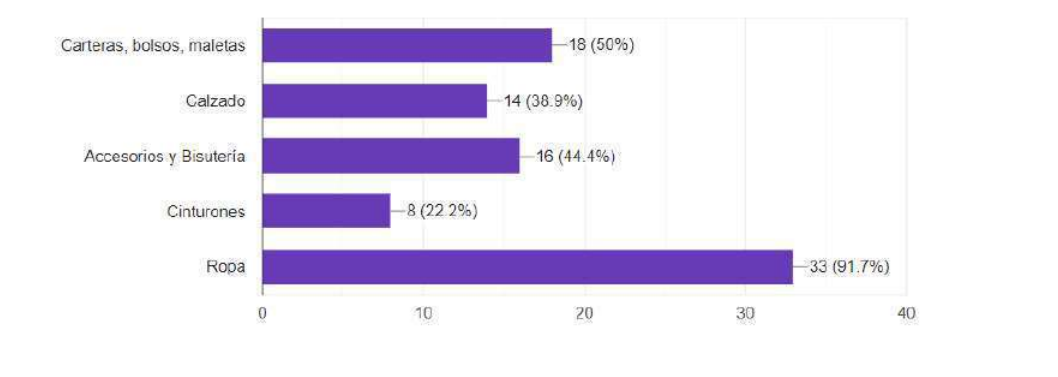
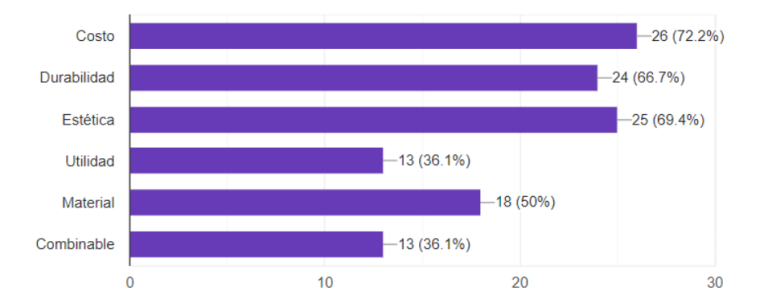
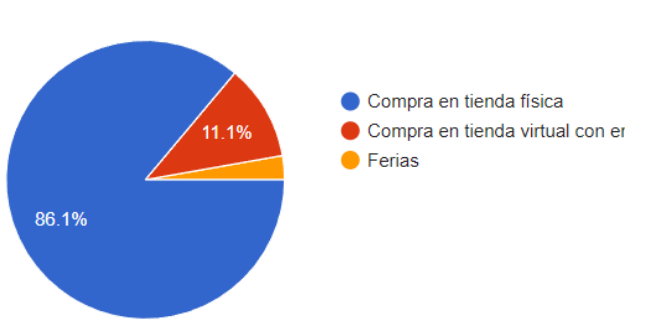
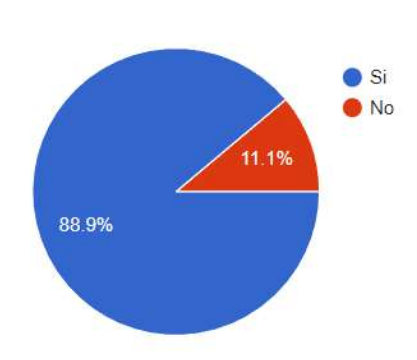
We conducted a survey with 40 women between 22 and 45 years old to measure their knowledge, interest, and access to sustainable fashion, as well as their preferences and perceptions about Sarushka’s products.
Survey Findings
Users showed greater interest in sustainable clothing rather than accessories.
Respondents highlighted quality, durability, price, design, and texture as the most important factors.
Barriers: The main reasons for not buying sustainable fashion were lack of accessibility and lack of clear information.
Price willingness: Participants were open to paying for sustainable products, but only if prices remained reasonable and aligned with perceived quality.
A majority preferred physical stores, indicating that offline experiences remain important.
Most respondents expressed they would be willing to purchase from Sarushka, provided products offered variety (especially in colors), durability, and quality.
Based on demographic data and qualitative insights from early research, I created user personas to represent Sarushka’s main audience. These personas helped the team align on who we were designing for and guided the following stages of research and analysis.
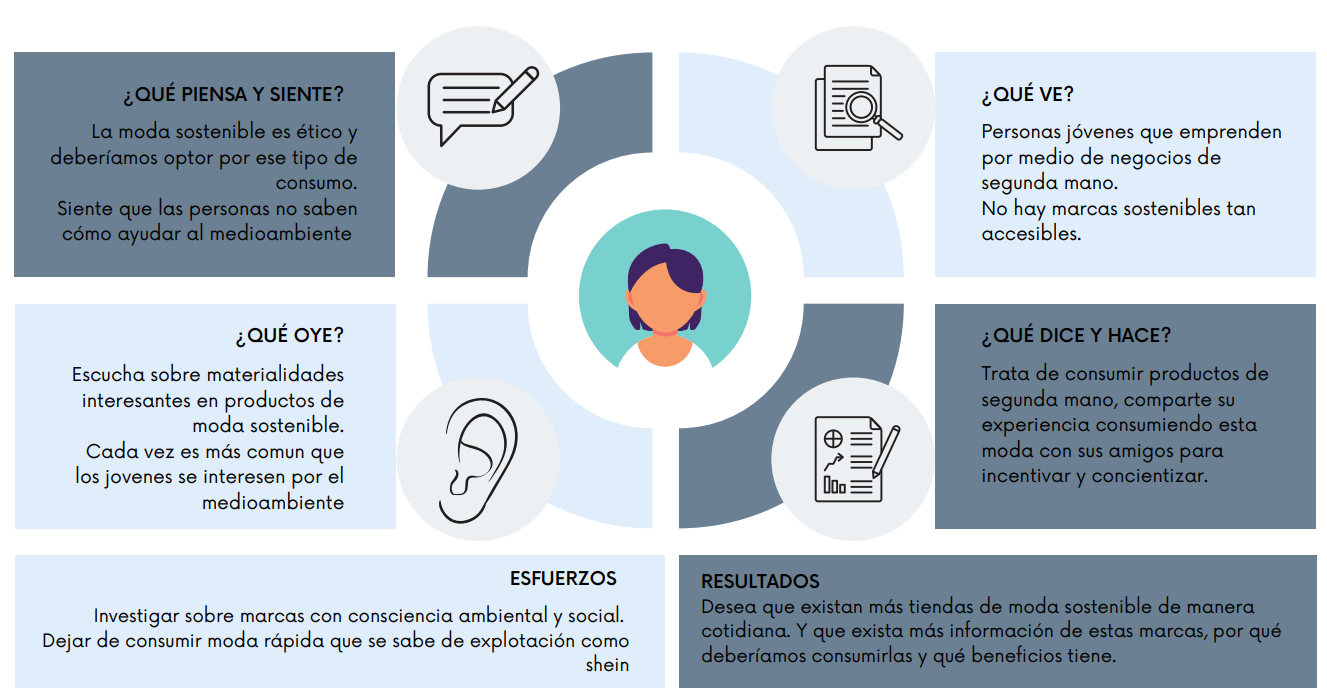
We created an empathy map to visualize what users say, think, feel, and do. This helped us uncover their motivations, frustrations, and expectations, making it easier to design solutions that truly connect with them.
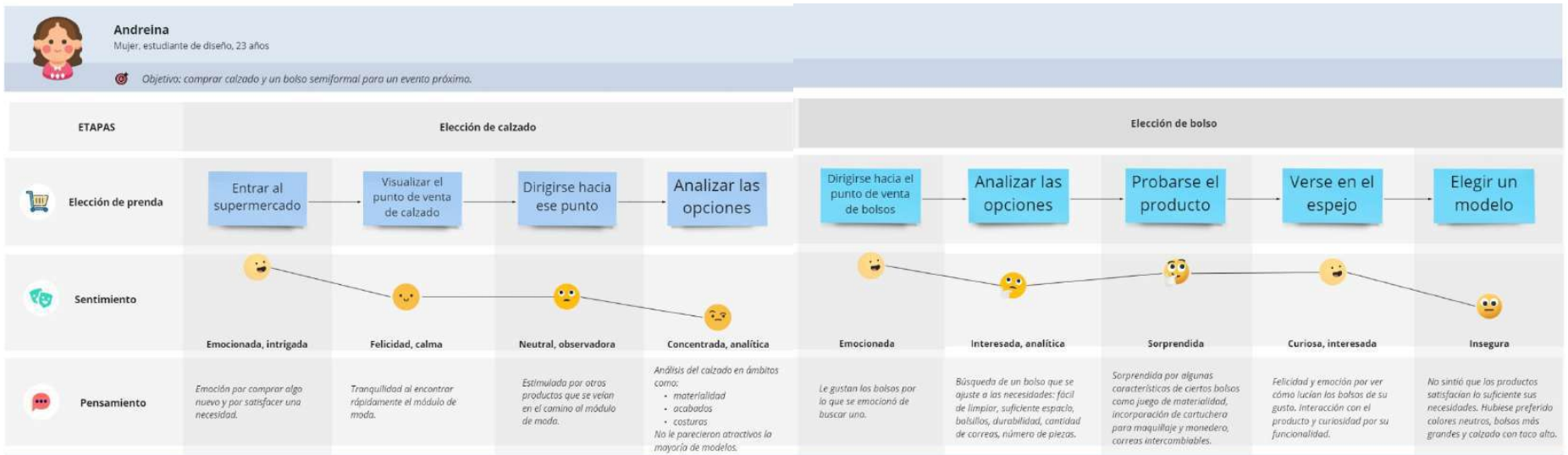
To deeply understand the in-store experience, we mapped the customer journey of a young shopper. This visualization revealed the emotions, thoughts, and behaviors throughout the process of buying shoes and accessories. It highlighted key moments of excitement, hesitation, and unmet expectations, offering us valuable opportunities to improve Sarushka’s retail experience
Key Findings
Users begin excited and curious when entering the store.
Enthusiasm decreases due to limited variety and outdated designs.
Trying products creates positive emotions and engagement.
Final purchase decisions often end in insecurity.
Clear opportunity: improve variety, modernize designs, and highlight sustainability.
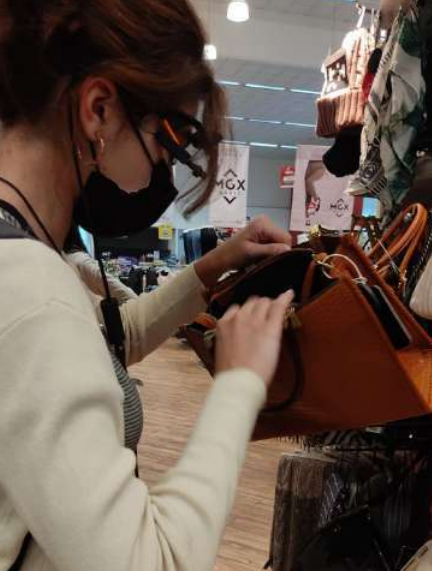
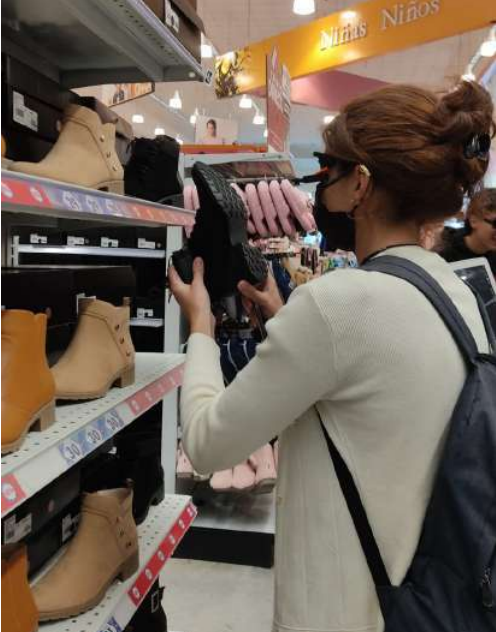
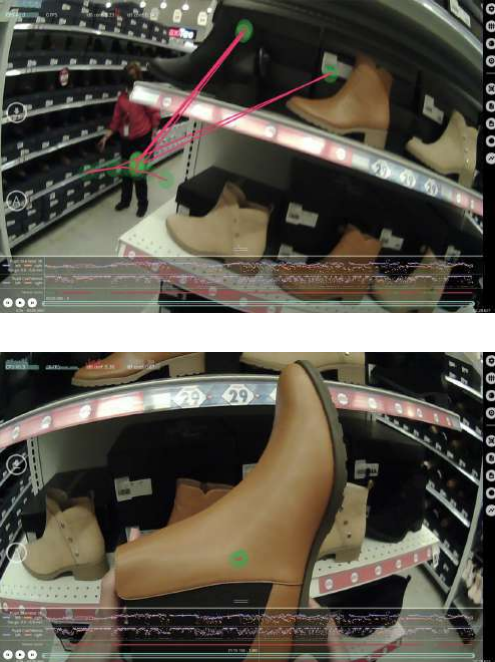
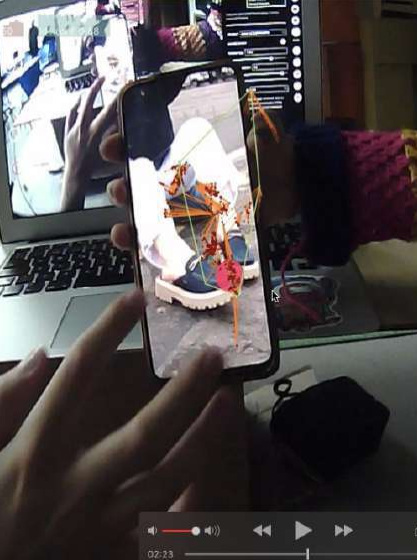
Since interviews and surveys showed that many users preferred shopping in physical stores, we introduced Pupil Core as a research tool. By tracking eye movements during product interactions, we were able to analyze where users focused their attention and what elements most influenced their shopping experience
Key Findings
Users focused first on the overall product form, then on details like texture, stitching, and finishes.
Handles, zippers, and openings drew repeated attention, showing they are critical in the purchase decision.
Participants often returned their gaze to the price tag, reflecting its weight in evaluation.
Limited public promotion and incentives for sustainable fashion mean brands must lead education and transparency. Clear messaging about origin and impact becomes a competitive requirement.
Strong price sensitivity: users accept a premium only when durability, quality and versatility are proven. Optimizing production to lower costs is key to conversion.
Awareness is growing but information is scarce. Shoppers prefer in-store experiences to evaluate texture, fit and finishes, and seek designs that balance style with ethics.
Recycled materials and research tools (e.g., eye-tracking) support product validation, but require credible storytelling and proof of quality to overcome skepticism.
Sustainability is valued; however, users often assume “recycled = lower quality.” Communicating durability and real impact alongside design is essential.
Trust depends on truthful labeling and anti-greenwashing practices. Clear information on materials, care and warranties reinforces credibility at purchase.
Ecological responsibility (recovered materials, lifecycle mindset) and fair social practices. Solid product quality, comfortable footwear, and accessible style. Partnerships with local workshops and the option to personalize items reinforce credibility.
Brand message not always clear; limited delegation and low production capacity. Irregular social content and product communication. Difficulty sourcing some materials and keeping costs down with current methods; packaging adds little to brand identity.
Rising youth awareness and slow-fashion interest. Abundant recoverable waste for inputs and openness to alliances. Room to expand women’s apparel, strengthen digital sales, and lead education on quality and sustainability.
Accessory inputs depend on imports and high logistics costs; few physical channels and modest demand. Fast, cheaper competition and foreign alternatives; perception that sustainable fashion abroad is stronger; local production costs remain elevated.
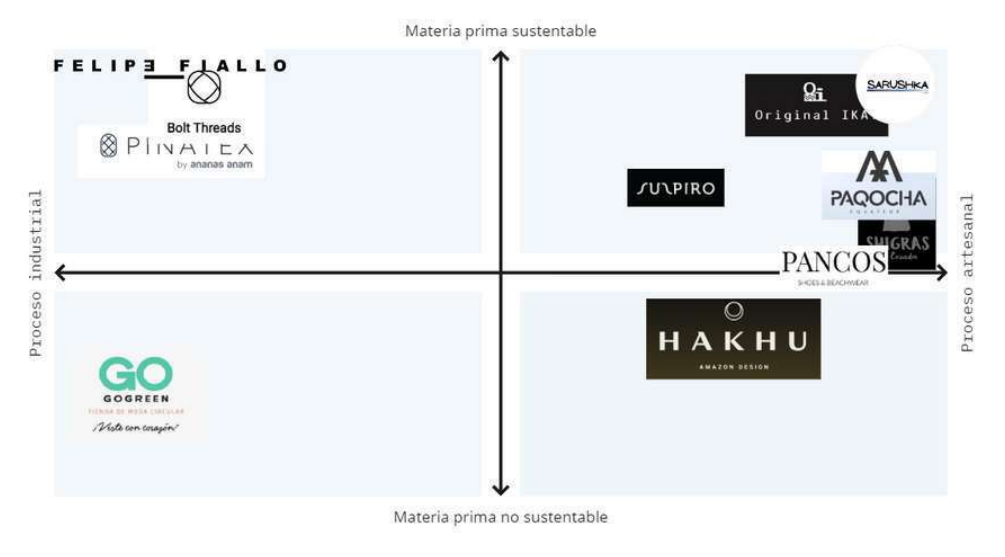
This benchmarking map positions Sarushka among competitors by comparing raw material sustainability and production processes. It highlights Sarushka’s place within sustainable and artisanal practices, showing opportunities to differentiate in the market
Key Findings
Need to improve production efficiency and customer service.
Importance of communicating Sarushka’s sustainable vision more clearly.
Opportunities to reach a broader and more inclusive market.
Potential to experiment with materials and colors to innovate.
Value of showcasing social and environmental impact.
Distinctive design and collaborations as key strategies for visibility.

Creating a “Sarushka Experience Lab” where customers can witness how recycled materials are transformed into fashion products. This initiative enhances transparency, builds credibility, and differentiates the brand within the sustainable fashion market.
Adding a clear sustainability label to every product, showing metrics such as CO₂ savings or percentage of recycled materials. This makes sustainability tangible and builds consumer trust.
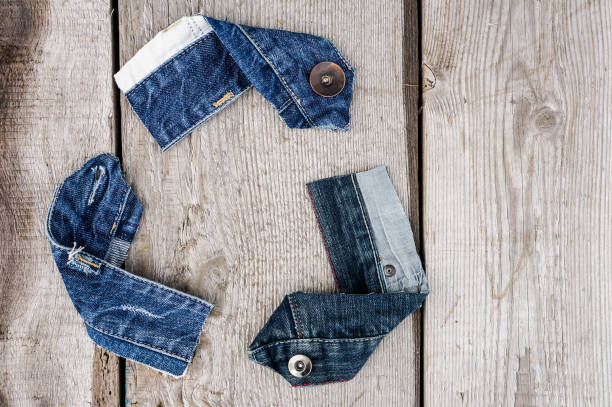
Introducing a membership program that allows customers to return used products in exchange for discounts, free repairs, or loyalty points redeemable for new collections. This strengthens Sarushka’s commitment to circular fashion.
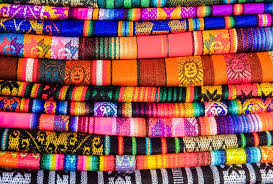
Launching limited collections inspired by local culture, colors, and traditional textiles. These editions strengthen community identity and connect sustainability with cultural storytelling.

Building partnerships with design universities, innovation centers, and eco-fashion events to co-create collections. These collaborations enhance visibility, bring freshness to the brand, and reinforce its innovative spirit.

Launching creative digital campaigns that combine storytelling and interaction. Examples include “Second Life”, showing the transformation of materials into products.